
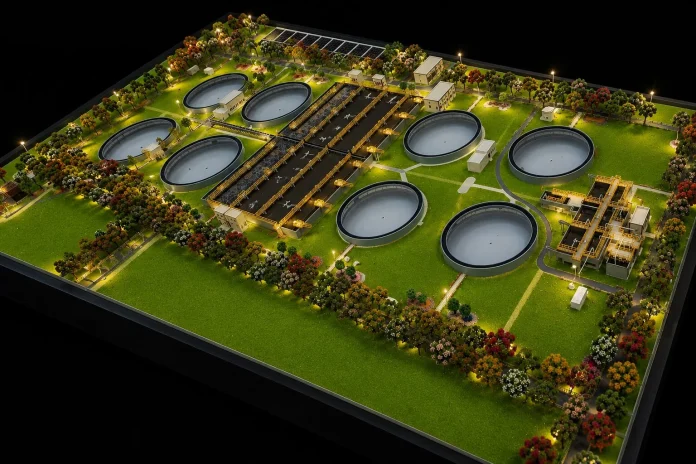
Every product starts as an argument. Somebody has an idea, somebody else doubts it, and the argument goes round until someone builds something small enough to settle it. Founders know this feeling. You can describe your product for twenty minutes and see polite nods, then place a physical prototype on the table and watch the room change.
Finding the right engineering model maker india is one of the earliest practical steps for a hardware founder, and one of the most confusing. The terms are unfamiliar, the quotes vary wildly, and nobody tells you what to bring to the first meeting.
This guide is written for inventors, start-up teams and product managers who are ordering a physical model for the first time. It covers what to prepare, how to protect your idea, and how to keep the budget under control.
Who actually needs a physical model
Not every hardware idea needs one right away. If your concept is still changing weekly, a cheap paper or foam mock-up will do. If you are about to show the idea to investors, apply for a patent, test the market with early customers or enter a competition, a proper model is worth the money.
Product teams in established firms use models for design reviews and sales previews. Students use them for final-year projects and incubator pitches. Individual inventors use them to convince manufacturers to take a risk.
What these groups share is a need to make an idea believable. A model says that the design exists, that it has been thought through, and that someone cared enough to build it.
Turning a sketch into a usable brief
Makers are skilled, but they are not mind readers. A napkin drawing and a sentence will lead to a lot of guesses, and guesses cost money. A good brief has five parts: what the model is for, who will see it, what dimensions it must have, what it needs to do, and when you need it.
Add drawings, even rough ones. Hand-drawn views from front, side and top, with key dimensions, are far better than nothing. If you have CAD files, share them. Photographs of similar products or competitor devices help show the size, finish and feel you expect.
Explain what must be accurate and what can be approximate. If the mechanism must work but the outer shell is only for show, say so. If the colour must match your brand, give a reference. The more clearly you set priorities, the better the maker can use the budget.
Protecting your idea
Founders worry about this, and rightly so. Before you send drawings, ask the maker to sign a non-disclosure agreement. Serious studios are used to this and will agree without fuss. If a maker is reluctant, think twice.
Keep a record of what you share and when. Number your drawings and note the version in the file name. If you plan to file a patent, speak to a patent attorney before showing the design widely, because some jurisdictions have strict rules about public disclosure.
Ask who keeps the production files after the job. Most makers retain their own working files, but the design remains yours. Put this in writing, along with a promise that your model will not be photographed or displayed in their portfolio without your approval.
Prototype versus presentation model
These two are often confused, and the difference matters. A functional prototype tests whether something works. It may look rough, with visible screws and unfinished surfaces, because the point is to learn. A presentation model shows what the final product would look like. It may not work at all, but it is polished.
Many projects need both, in sequence. Start with the functional prototype to settle the mechanism, then build the presentation model for investors and customers once the design is stable. Trying to do both at once usually leads to compromise: a model that is too expensive to change and too rough to impress.
Tell the maker which one you want. If you want a bit of both, such as a model that looks good and has one working feature, say which feature matters most.
Realistic costs and how to control them
A small prototype with simple parts can cost a modest amount, and a complex one with machined components, electronics and a finished surface can cost many times more. The main cost drivers are size, number of parts, materials, precision, finish and the number of changes during production.
There are ways to keep the bill under control. Settle the design before production begins. Group changes into one revision round instead of sending ten small emails. Use cheaper materials for hidden parts. Ask whether a part can be printed instead of machined. And ask for a quote that is itemised, so you can see where the money goes.
Be wary of both extremes. A very cheap quote may leave out important work. A very high quote may cover a level of finish you do not need. Two or three quotes will tell you where the reasonable middle lies.
Finding and shortlisting makers
Start with recommendations from people who have done this before: incubator mentors, college workshop heads and other founders. Then look at studios online. Check how long they have been working, what types of models they build and whether their work looks consistent.
Visit the shop if you can, or at least arrange a video call. When you are comparing options for an engineering model maker india, ask each one how they would approach your specific project. Their questions will tell you as much as their answers. A good maker asks about use, handling, budget and timeline before quoting.
Request an itemised quote, a delivery date and a list of what you will receive: the model, the drawings if relevant, spare parts, and packing. Check how many rounds of corrections are included and how extra changes are charged.
Working through revisions
Expect some. A first look at the prototype will always reveal something you did not notice on paper, such as a button that is too close to the edge or a hinge that sits awkwardly. Treat this as a normal part of the process, not as failure.
Agree on review points in advance: after the first fit test, before painting, and before delivery. At each point, send consolidated feedback in a single message with photographs and marked-up drawings. Clear feedback means faster fixes.
And keep the maker informed about your own timeline. If an investor meeting moves up by a week, tell them early. A good studio will find ways to help if given notice, and will struggle if told at the last moment.
Testing the model with real users
Once you have a physical model, put it in the hands of people who might use the product. Watch where they hesitate, which part they try to press first, and what they say without being asked. These small moments are worth more than a long survey.
Take notes and photographs. If three out of five people try to open the lid from the wrong side, that is a design finding, and a cheap one. Feed it back into the next version. Many founders say that the first time a stranger picked up their model was the first time they saw their product honestly.
From model to manufacturing
A model is not a production design, and it helps to remember that. Parts that were machined or printed one at a time will need to be rethought for moulding, casting or sheet metal work. Wall thicknesses, draft angles, fasteners and tolerances all change when thousands of units are involved.
Share the model with potential manufacturers early. A good manufacturer will point out what needs to change for production, and will often suggest simple tweaks that cut cost. Ask your model maker whether they can document the dimensions and materials in a form that a manufacturer can use. A clean set of measured drawings from the prototype can save weeks later.
Keep the model itself. Even after the product ships, the early prototype is useful for training new team members, for showing the history of the product to investors, and for explaining to customers how it came about.
Wrapping up
Building a physical model is one of the most useful things a hardware founder can do early on. It tests assumptions, builds confidence and gets other people to take the idea seriously. The process is easier when you are clear about the purpose, protect your information, and choose a partner who asks good questions.
Whether you are working with a well-known engineering model maker india or a smaller local workshop, treat the relationship as a partnership. The best prototypes come from teams that talk often, share honestly and test early.
Before you place the order, write down the one question the model has to answer. Everything else in the brief, from the materials to the finish, should serve that question.
A little patience early on saves a lot of money later, and the people who build your model will remember who briefed them well.

